



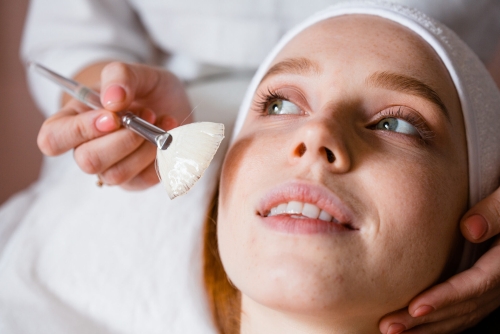
For individuals struggling with melasma, a common skin condition characterized by dark, patchy discoloration on the face, Chemical Peels in Islamabad offer an effective solution. Melasma often appears on the cheeks, forehead, nose, and upper lip, and is commonly triggered by hormonal changes, sun exposure, or genetics. Chemical peels help remove the damaged outer layers of the skin, lighten pigmented areas, and promote new, healthy skin growth. This article explores the best chemical peels for treating melasma in Islamabad, their benefits, and what patients can expect before and after treatment.
Understanding Melasma
Melasma is caused by the overproduction of melanin, the pigment responsible for skin color, in specific areas of the skin. Common triggers include:
Hormonal changes during pregnancy or due to birth control pills
Sun exposure and ultraviolet (UV) radiation
Genetics and family history
Skin inflammation or irritation
Melasma can be persistent and resistant to topical treatments alone, making professional chemical peel therapy an ideal choice for effective results.
How Chemical Peels Work for Melasma
Chemical peels function by applying a chemical solution to the skin, which exfoliates the top layers and removes excess pigmentation. This controlled process stimulates skin regeneration and promotes the production of new collagen and elastin, improving overall skin texture and tone.
The depth of the peel determines its effectiveness:
Superficial Peels: Work on the outer layer of the skin to lighten mild pigmentation and brighten skin tone.
Medium Peels: Penetrate deeper to target stubborn melasma and reduce discoloration.
Combination Peels: Sometimes multiple acids are used together for more challenging cases, addressing both surface and deeper pigmentation.
Consistent treatments combined with proper sun protection and skincare can significantly improve melasma and prevent its recurrence.
Types of Chemical Peels for Melasma
Several chemical peels are particularly effective for reducing melasma:
1. Glycolic Acid Peels
Glycolic acid, an alpha hydroxy acid (AHA), is widely used for superficial peeling. It gently exfoliates the outer layer of the skin, reducing melanin accumulation and improving overall brightness. Glycolic acid peels are suitable for mild to moderate melasma and sensitive skin.
2. Lactic Acid Peels
Lactic acid is another AHA that provides gentle exfoliation. It is known for its hydrating properties and is suitable for individuals with sensitive or dry skin. Lactic acid peels help in reducing pigmentation while maintaining skin moisture.
3. Salicylic Acid Peels
Salicylic acid, a beta hydroxy acid (BHA), penetrates into pores and reduces inflammation. It is effective for melasma associated with acne-prone skin and helps prevent post-inflammatory hyperpigmentation, which can worsen melasma.
4. Trichloroacetic Acid (TCA) Peels
TCA peels are medium-depth peels that are effective for stubborn melasma. They penetrate deeper into the skin, promoting collagen production and reducing pigmentation more significantly. TCA peels are best performed by trained dermatologists to minimize the risk of irritation or post-inflammatory pigmentation.
5. Jessner’s Solution Peels
Jessner’s solution combines lactic acid, salicylic acid, and resorcinol, offering a medium-depth peel suitable for resistant melasma. This peel is particularly effective for individuals with uneven skin tone and multiple pigmentation concerns.
Benefits of Chemical Peels for Melasma
Chemical peels provide multiple benefits for individuals with melasma:
Reduces the appearance of dark, patchy spots
Promotes a more even skin tone
Enhances skin texture and smoothness
Stimulates collagen and elastin for firmer skin
Improves absorption of skincare products post-treatment
When performed by professionals, chemical peels are a safe and non-invasive alternative to laser treatments for melasma.
Preparing for a Chemical Peel
Proper preparation is essential for effective results and minimal side effects:
Consult a Dermatologist: A professional assessment ensures the correct peel type and strength.
Pre-Treatment Skincare: Avoid strong acids, retinoids, and exfoliating products for at least a week before the peel.
Sun Protection: Limit sun exposure and apply sunscreen to prevent additional pigmentation.
Hydration: Keep skin well-hydrated to enhance peel effectiveness and healing.
Post-Peel Care
Post-treatment care is crucial for maintaining results:
Avoid direct sun exposure and use broad-spectrum sunscreen
Keep the skin moisturized to support healing
Follow any topical treatments prescribed by your dermatologist
Avoid picking or peeling off flaking skin, as this may cause irritation or scarring
Recovery varies depending on peel depth. Superficial peels typically heal within a few days, while medium or combination peels may require 5–7 days or more.
Risks and Considerations
While chemical peels are generally safe, potential risks include:
Temporary redness and irritation
Flaking or peeling of the skin
Post-inflammatory hyperpigmentation, particularly in darker skin tones
Rare cases of scarring or infection
Choosing an experienced clinic in Islamabad with trained dermatologists reduces the risk of complications and ensures effective results.
FAQs About Chemical Peels in Islamabad
1. Which chemical peel is best for melasma?
Superficial peels like glycolic acid or lactic acid are suitable for mild melasma, while TCA or Jessner’s solution peels are recommended for stubborn pigmentation.
2. How many sessions are needed to see results?
Typically, 3–6 sessions spaced 4–6 weeks apart are needed to see significant improvement, depending on the severity of melasma.
3. Are chemical peels safe for all skin types?
Yes, but medium and deeper peels should be carefully selected for darker skin tones to avoid hyperpigmentation. A professional consultation is essential.
4. Can melasma return after a peel?
Melasma can recur if skin is exposed to sun without protection or if hormonal triggers persist. Using sunscreen and maintaining a proper skincare routine is crucial.
5. How long does it take to recover from a chemical peel?
Superficial peels typically recover in 2–5 days, while medium peels may require 5–7 days of healing. Proper post-care ensures the best results.
Conclusion
Chemical peels are a highly effective treatment for reducing melasma and achieving a more even, radiant complexion. By selecting the appropriate peel type and following proper pre- and post-care, patients can achieve long-lasting results and improve overall skin health.
For professional chemical peel treatments and personalized care for melasma, SKN Cosmetics is a leading clinic in Islamabad, offering advanced procedures tailored to individual skin needs and ensuring safe, effective results.



 Casinos Online España con Juegos Seguros y Operadores Fiables