



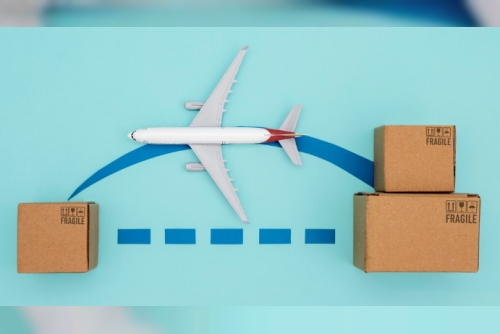
Late shipments create financial losses for businesses, which include more than their monetary expenses. The business suffers from customer trust issues, production halts and decreased sales.
Trustworthy partner relationships present difficulties for many companies. Some providers offer low rates but poor service. The other group does not inform customers about the status of their delayed shipments.
The appropriate air freight forwarder partner enables businesses to conduct their international shipping operations with complete efficiency. The guide presents essential factors which you must assess before making your decision.
Why Your Choice of Air Freight Forwarder Matters
An air freight forwarder does more than book a flight for your cargo. The company manages all operational processes, which include handling documentation, customs clearance, packaging compliance and communication among all involved parties.
Your shipment will experience delays because customs will hold your shipment, and you will face unplanned costs that result from any disruptions which affect your shipment process. The situation requires careful evaluation because it presents significant risks.
Key Factors to Consider When Selecting an Air Freight Forwarder
Choosing the right air freight forwarder can shape the speed, safety, and cost of your global shipments.
1. Industry Experience and Trade Lane Knowledge
Not every freight forwarder understands every shipping route equally well. Some companies focus their operations on European markets, while others choose to work exclusively in Southeast Asia and the Middle East.
● Ask which trade lanes they manage most often
● Check how long they have operated in Singapore
● Find out which airlines they use on your routes
● Ask about their experience with customs procedures
A forwarder with route expertise helps your shipments move faster and with fewer disruptions.
2. Licensing, Accreditation, and Compliance
A freight forwarding company demonstrates industry compliance through its licenses and certifications, which also serve to prove its legal operations and its understanding of international shipping regulations.
● Look for IATA accreditation
● Check for Singapore Customs approval
● Ask about FIATA membership
● Confirm membership with the Singapore Logistics Association
Strong compliance standards reduce risks and improve trust in the shipping process.
3. Network of Airline and Agent Partnerships
A freight forwarder depends heavily on its network. Better airline partnerships enable businesses to secure better rates while achieving faster booking processes and gaining access to more flight routes.
● Ask which airlines they work with regularly
● Check if they have overseas offices or agents
● Find out how they handle destination clearance
● Ask if they offer shipment consolidation services
A strong global network gives businesses better flexibility during peak shipping periods.
4. Handling of Special Cargo
Standard cargo is easy to manage, but special shipments need extra care. Goods like pharmaceuticals, perishables, oversized equipment, and dangerous goods require expert handling and proper storage conditions.
● Ask about cold chain logistics experience
● Check their dangerous goods certifications
● Find out how they manage oversized cargo
● Ask about secure storage facilities at airports
A skilled forwarder protects sensitive cargo throughout the entire journey.
5. Transparency in Pricing
Freight quotes can sometimes look cheaper than they really are. Hidden charges often appear later through fuel fees, handling costs, or security surcharges. That is why pricing transparency matters from the start.
● Request a full breakdown of all charges
● Ask what services are included in the quote
● Compare quotes on a like-for-like basis
● Check for hidden documentation or storage fees
Clear pricing helps businesses plan costs without unpleasant surprises later.
6. Technology and Shipment Visibility
Modern freight forwarding relies heavily on technology. Businesses now expect real-time tracking and quick shipment updates. Good systems also improve customs handling and reduce paperwork delays.
● Check if they offer live shipment tracking
● Ask about customer portals or dashboards
● Find out how they send shipment alerts
● Ask if documents can be managed digitally
Strong technology gives businesses more control and visibility over shipments.
7. Customer Service and Communication
Shipping problems can happen at any time. When delays occur, businesses need fast updates and clear answers. Strong communication often separates average forwarders from reliable long-term partners.
● Ask who your account manager will be
● Check how quickly they respond to emails
● Find out how they handle shipment delays
● Ask whether support is available after hours
Good communication reduces stress and helps solve problems much faster.
8. Reputation and Track Record
A polished website does not always reflect real service quality. Independent reviews and client feedback often reveal how a company performs under pressure.
● Read reviews on trusted business platforms
● Ask for references from similar businesses
● Check how they respond to complaints
● Look into their years of industry experience
A forwarder with a strong reputation usually delivers more consistent service.
9. Scalability for Your Business Needs
Your shipping needs may grow over time. A forwarder should be able to support larger volumes, new trade routes, and seasonal demand increases without affecting service quality.
● Ask about peak season capacity
● Check their ability to handle larger shipments
● Find out if they support global expansion
● Ask how they manage sudden demand spikes
A scalable logistics partner supports business growth without disruption.
10. Insurance and Cargo Liability
Air freight is reliable, but cargo damage or loss can still happen. Businesses should always understand what liability coverage the forwarder provides and whether extra protection is available.
● Ask what cargo liability is included
● Check if extra insurance can be arranged
● Find out how claims are handled
● Ask about coverage for high-value goods
Proper insurance coverage gives businesses peace of mind during international shipping.
Common Mistakes to Avoid
Businesses usually make quick decisions about which air freight forwarder to select. The companies end up dealing with delays, unexpected expenses and substandard service.
● Price over quality: Choosing the cheapest quote without checking service quality leads to delays, which result in unexpected charges and insufficient assistance.
● Ignoring reputation and communication: Forwarders who fail to provide proper response times and customer reviews create difficulties for customers who need fast assistance.
● Skipping compliance checks: Your company faces legal and shipping risks when it fails to verify essential operational documents, which include licenses and certifications and contract specifications.
Conclusion
Your supply chain receives full benefits from choosing the appropriate air freight forwarder. The best providers offer more than transport. The service provides customers with dependable delivery, effective communication, protection measures, and ongoing assistance.
People should evaluate experience, pricing, technology, and customer service before making their selection. Your business will achieve better efficiency through a trustworthy freight forwarding partner who will also support your business expansion.
The correct logistics solutions will enable businesses to maintain their competitive advantage as global trade continues to accelerate.
Frequently Asked Questions
How do I verify if a freight forwarder is legitimate in Singapore?
You need to check three things, which include IATA accreditation, Singapore Customs registration and membership in the Singapore Logistics Association. The Singapore Customs website enables you to verify customs-registered traders.
What questions should I ask an air freight forwarder before hiring them?
The company should provide information about its previous work with your specific trade lanes and its procedures for managing your cargo, its complete pricing details, its shipment communication methods and its procedures for handling delays or damage situations.
Is air freight forwarding more expensive than sea freight?
Air freight costs more than sea freight because it delivers packages faster but charges higher rates for each kilogram. The cost difference is justified because time-sensitive goods, perishables and high-value items need quick delivery.
Can an air freight forwarder help with customs clearance in Singapore?
Yes. The majority of air freight forwarders in Singapore provide complete customs brokerage services. The company handles all necessary documentation, which they submit to both Singapore Customs and all required authorities in the destination country.