



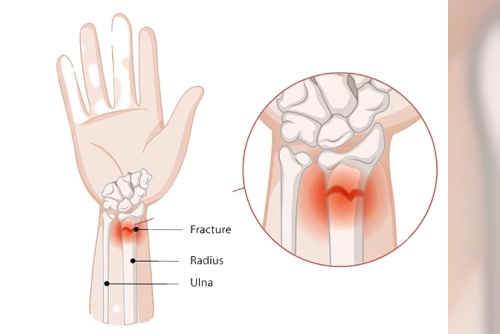
When a child or loved one suffers a broken bone, everything changes in a moment.
As parents and caregivers, we are suddenly faced with medical terms, urgent decisions, and many unanswered questions.
Understanding the risks and benefits of each Fracture Treatment option can help families feel more confident and calm during this stressful time.
Fractures can happen from simple playground falls, sports injuries, or unexpected accidents at home.
While many breaks heal well, the treatment approach matters deeply for long term strength and mobility.
That is why learning about Fracture Treatment in Chennai and other regions becomes an important step for families seeking informed care.
Every fracture is different.
Age, location of the break, overall health, and bone strength all influence the decision.
A thoughtful Fracture Treatment plan balances healing, safety, and future function.
Understanding the Main Fracture Treatment Approaches1. Conservative Fracture Treatment with Cast or Splint
For many simple fractures, especially in children, doctors recommend immobilization using a cast or splint.
This method allows the bone to heal naturally while keeping it aligned.
It is often the first line Fracture Treatment for stable, non displaced fractures.
Benefits:
Healing occurs without surgery.
There is no exposure to anesthesia.
Recovery is usually straightforward with fewer hospital visits.
Risks:
Improper alignment can sometimes occur if the fracture shifts.
Prolonged immobilization may cause stiffness.
Follow up X rays are essential to ensure proper healing.
As parents, we found comfort in knowing that children’s bones often heal faster than adults.
Still, regular check ups remain important to prevent long term complications.
2. Surgical Fracture Treatment with Internal Fixation
In more complex cases, surgery may be required.
Orthopedic surgeons use plates, screws, rods, or wires to stabilize the bone.
This type of Fracture Treatment is common for displaced or unstable fractures.
Benefits:
Precise alignment of bone fragments.
Faster return to movement in some cases.
Reduced risk of improper healing or deformity.
Risks:
Exposure to anesthesia carries small but real risks.
There is a possibility of infection.
Some patients may need future procedures if hardware causes discomfort.
For families, surgery can feel frightening.
But modern orthopedic techniques and sterile protocols have significantly improved safety and outcomes.
Clear communication with the surgical team makes a huge difference in easing anxiety.
3. Minimally Invasive and Pediatric Specific Approaches
Children sometimes benefit from techniques designed to protect growth plates.
Flexible nails or small incisions may be used.
This specialized Fracture Treatment helps maintain bone growth and alignment.
Benefits:
Smaller scars.
Less tissue damage.
Faster recovery compared to traditional open procedures.
Risks:
Not suitable for every fracture type.
Requires experienced pediatric orthopedic expertise.
Parents often share that choosing a hospital experienced in pediatric fractures gave them reassurance.
Expertise truly matters when growth and development are involved.
Factors Families Should Consider When Choosing a Hospital
When we were researching care options, we realized that treatment success depends not only on the method but also on the facility and team.
Here are essential factors every family should thoughtfully review before deciding.
Orthopedic Expertise
Ensure the hospital has qualified orthopedic surgeons with experience in pediatric and complex fracture cases. Credentials and case volume matter.
Emergency Response and Imaging Facilities
Quick access to X rays and advanced imaging helps doctors make accurate Fracture Treatment decisions without delay.
Infection Control Protocols
Strict sterilization practices and postoperative monitoring reduce the risk of complications.
Pediatric Friendly Environment
A child sensitive environment with trained nurses can ease fear and promote emotional comfort.
Rehabilitation Support
Physiotherapy services are essential for regaining strength and mobility after immobilization or surgery.
Transparent Communication
Doctors who explain risks, benefits, and recovery expectations clearly build trust with families.
When exploring options for Fracture Treatment in Chennai, families often compare these factors carefully before making a decision.
It is not just about fixing a bone.
It is about ensuring safe healing and long term wellbeing.
Recovery Expectations After Fracture Treatment
Healing does not end when the cast is removed or stitches are taken out.
Rehabilitation plays a vital role in restoring full function.
Each Fracture Treatment approach comes with its own recovery timeline.
For conservative management, stiffness and mild muscle weakness are common initially.
Gentle exercises and physiotherapy gradually restore strength.
Children often adapt quickly with proper guidance.
After surgery, monitoring for swelling, redness, or unusual pain is important.
Follow up appointments ensure hardware stability and bone union.
Nutrition rich in calcium and protein supports bone regeneration.
Parents often underestimate the emotional aspect of recovery.
Children may fear re injury or avoid physical activity.
Encouragement and reassurance help rebuild confidence.
Balancing Risks and Benefits Thoughtfully
No Fracture Treatment is completely risk free.
However, delaying necessary treatment may increase long term complications.
The goal is to choose the safest and most appropriate method based on medical evidence and individual needs.
Families should never hesitate to ask questions.
Understanding why a certain method is recommended empowers decision making.
A trustworthy orthopedic team welcomes informed discussions.
Evidence based medicine, combined with compassionate care, creates the strongest foundation for healing.
In serious injuries, early intervention improves alignment and reduces chronic pain risks.
In stable fractures, avoiding unnecessary surgery protects the child from added stress.
Conclusion
Choosing the right Fracture Treatment approach is one of the most important decisions a family may face after an injury.
Understanding the risks and benefits of conservative care, surgical fixation, and minimally invasive techniques helps families move forward with clarity.
With the right medical guidance and emotional support, children and adults alike can regain strength, mobility, and confidence.
At Soundarapandian Bone and Joint Hospital(SBJH), we are committed to providing world class healthcare with the warmth and compassion of a family run institution. Guided by a tradition of care, our highly skilled Orthopaedic surgeons and our dedicated team work together to ensure that every patient receives personalised treatment. We combine the latest in cutting edge technology with a deep sense of empathy and ethics, striving for excellence in orthopaedics while fostering a welcoming, supportive environment for all.
Frequently Asked Questions(FAQs):What is the safest Fracture Treatment for children?The safest option depends on fracture type, location, and severity.
Stable fractures often heal well with casting, while complex fractures may require surgical stabilization.
A pediatric orthopedic specialist evaluates risks carefully before recommending a plan.
Most simple fractures heal within four to eight weeks in children.
More complex injuries or surgical cases may require several months of monitoring and rehabilitation.
Follow up care ensures proper bone union.
Complications such as infection or hardware irritation are uncommon but possible.
Hospitals follow strict safety protocols to minimize these risks.
Discussing concerns openly with the surgeon provides clarity and reassurance.
Seek help if there is severe swelling, numbness, high fever, persistent pain, or foul discharge from the surgical site.
These symptoms require prompt medical evaluation.
Timely care prevents serious complications.