



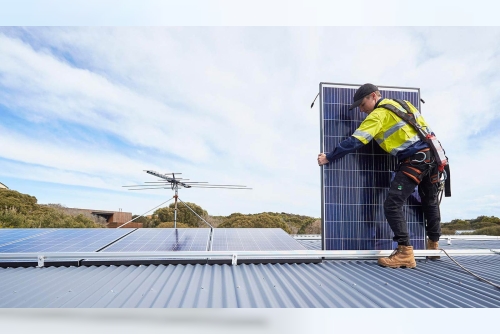
As more Australians invest in renewable energy, solar power has become a common feature on residential rooftops across Victoria. With rising electricity prices and increased environmental awareness, many households are installing solar systems to reduce energy costs and improve sustainability.
However, before investing in solar panels Melbourne Victoria homeowners must understand the regulations, safety requirements, and compliance standards that apply to residential solar installations. Following these standards is essential not only for safety and performance but also for eligibility for rebates and warranties.
Why Solar Energy Standards Matter
Solar energy systems involve electrical wiring, rooftop installation, and connection to the power grid. Without proper standards and regulations, poorly installed systems can create:
Electrical hazards Fire risks Roof damage Reduced system performance Insurance complications Voided warrantiesVictoria has strict solar compliance rules designed to protect homeowners and ensure systems operate safely and efficiently over the long term.
By working with qualified professionals and understanding the required standards, homeowners can maximise the value of their solar investment.
Clean Energy Council (CEC) Accreditation Requirements
One of the most important requirements for solar installations in Victoria is the use of a Clean Energy Council (CEC) accredited installer.
The Clean Energy Council is Australia’s leading renewable energy industry body. It sets standards for:
Solar installation quality Product approval Installer accreditation Safety complianceIf you want to access Victorian solar rebates or Small-scale Technology Certificates (STCs), your solar system must usually be installed by a CEC-accredited professional.
Choosing accredited installers also ensures your solar power panels for home installation meet national safety and performance standards.
Australian Standards for Solar Installations
Solar systems in Victoria must comply with several Australian Standards. These standards regulate how systems are designed, installed, and maintained.
AS/NZS 5033 – Solar Panel Installation Standards
This standard focuses on photovoltaic (PV) array installation requirements, including:
Panel mounting Cable protection Isolation switches Electrical safety Fire protectionIt ensures rooftop solar systems are installed safely and can withstand Australian weather conditions.
AS/NZS 4777 – Grid Connection Standards
This standard governs inverter installation and grid connection requirements.
It covers:
Inverter safety Electricity export control Grid compatibility System monitoringAny solar panels Melbourne Victoria homeowners install must comply with these grid connection rules to legally export electricity back to the grid.
AS/NZS 3000 – Electrical Wiring Rules
Known as the “Wiring Rules,” this standard outline general electrical safety practices for residential properties.
Licensed electricians must ensure:
Safe cable installation Proper earthing Electrical protection systems Compliance with switchboard requirementsFailure to comply with wiring rules can create major safety risks.
Victorian Solar Rebate Compliance
The Victorian Government offers solar incentives through the Solar Homes Program. However, homeowners must meet strict eligibility and installation conditions.
Requirements typically include:
Approved solar products CEC-accredited installers Property ownership verification Minimum installation standards Grid connection approvalHomeowners should verify all rebate conditions before installation begins.
Using non-approved products or unlicensed installers may result in rebate rejection.
Grid Connection Approval in Melbourne
Before installing solar power panels for home use, Melbourne homeowners must obtain approval from their electricity distributor.
This process ensures:
The local grid can handle solar exports System capacity limits are followed Network safety requirements are metGrid connection applications are usually managed by the installer, but homeowners should understand the process.
Approval requirements may vary depending on:
Property location System size Existing electrical infrastructureRoof Safety and Structural Requirements
Victoria’s solar standards also include important roof safety considerations.
Before installation, installers assess:
Roof condition Structural integrity Load-bearing capacity Roof pitch Wind exposureOlder roofs may require repairs or reinforcement before solar installation can proceed.
Proper mounting systems and waterproof sealing methods must also be used to prevent leaks and structural damage.
Inverter Standards and Placement Rules
The inverter is one of the most important components of any solar system because it converts solar-generated electricity into usable household power.
Victorian standards regulate:
Approved inverter brands Safe installation practices Ventilation requirements Weather protection Emergency shutdown accessibilityInverters should typically be installed:
Away from direct sunlight In a ventilated location Near the switchboard In an accessible area for maintenanceUsing approved inverter models ensures compatibility with Australian power networks.
Battery Storage Regulations
As battery storage systems become more popular, Victoria has introduced additional regulations for home battery installations.
Battery systems must comply with:
Fire safety standards Ventilation requirements Emergency access guidelines Manufacturer specificationsImproper battery installation can create serious fire and safety hazards.
Professional installation is essential for all solar battery systems.
Safety Switches and Isolation Devices
Modern solar systems require multiple safety mechanisms to protect homeowners and electricians.
These include:
DC isolators AC isolators Circuit breakers Safety switchesThese devices help safely disconnect the system during maintenance, emergencies, or faults.
All components must comply with Australian electrical safety regulations.
Metering and Feed-In Tariff Requirements
To export excess electricity back to the grid, Melbourne homeowners need an approved smart meter.
Energy retailers use smart meters to:
Measure electricity exports Track energy usage Apply feed-in tariffsThe installer usually coordinates meter upgrades with the electricity retailer after installation is complete.
Without proper metering, homeowners cannot receive feed-in tariff payments.
Bushfire and Weather Compliance Considerations
Victoria’s climate conditions create additional solar installation requirements in some regions.
Areas prone to:
Bushfires High winds Coastal corrosion Extreme heatmay require specialised equipment or installation methods.
For example:
Bushfire-prone zones may require metal conduits and fire-resistant components. Coastal areas may need corrosion-resistant mounting systems.Professional installers familiar with local Melbourne regulations can ensure compliance with these environmental requirements.
Importance of Using Approved Solar Products
Not all solar products meet Australian standards.
Homeowners should only choose:
CEC-approved solar panels Approved inverters Certified mounting systems Reputable manufacturersCheap, low-quality products may fail prematurely or create safety risks.
Using approved solar panels Melbourne Victoria homeowners can trust also improves long-term efficiency and warranty protection.
Common Compliance Mistakes Homeowners Should Avoid
Many solar installation problems occur because homeowners overlook compliance requirements.
Common mistakes include:
Hiring unlicensed installers Choosing non-approved products Ignoring roof condition issues Accepting unusually cheap quotes Skipping warranty checks Failing to verify accreditationCareful research helps avoid costly problems later.
How to Choose a Compliant Solar Installer in Melbourne
When selecting a solar installer, homeowners should look for:
CEC accreditation Victorian electrical licensing Positive customer reviews Transparent pricing Product warranties Local experienceA professional installer will explain compliance requirements clearly and manage approvals on your behalf.
Final Thoughts
Installing solar power panels for home use is an excellent investment for Melbourne homeowners, but compliance with Victoria’s solar energy standards is essential.
From Clean Energy Council accreditation and Australian Standards compliance to grid connection approvals and safety regulations, every step of the installation process must meet strict requirements.
By choosing experienced professionals and approved products, homeowners can ensure their solar panels Melbourne Victoria installation delivers safe, efficient, and reliable performance for decades.
With the right approach, solar energy can help reduce electricity bills, improve energy independence, and support a more sustainable future for Victorian households.
FAQs
Do I need council approval to install solar panels in Melbourne?
Most residential solar systems do not require council approval, but heritage properties or special zoning areas may have additional requirements.
Can I install solar panels myself in Victoria?
No. Solar installations must be completed by licensed and accredited professionals to comply with Victorian regulations and qualify for rebates.
Are solar rebates still available in Victoria?
Yes. Eligible homeowners may access rebates through the Victorian Solar Homes Program.
What happens if my solar system does not meet standards?
Non-compliant systems may fail inspections, lose rebate eligibility, create safety risks, and void warranties.
How long do compliant solar systems last?
High-quality solar systems installed to Australian standards typically last 25 years or more.



 Effective Lab India – Leading Manufacturer of Salt Spray Test Chambers