



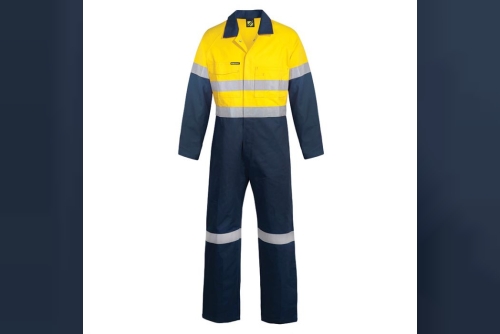
Workplace safety is a top priority across industries such as construction, manufacturing, mining, chemical processing, oil and gas, and healthcare. Employees working in hazardous environments face daily exposure to dangerous substances, extreme temperatures, sharp materials, sparks, and contaminants that can lead to serious injuries or long-term health risks. This is why high-quality coveralls have become an essential part of personal protective equipment (PPE).
Designed to provide full-body protection, coveralls help workers stay safe, comfortable, and compliant with workplace safety regulations. Whether dealing with chemicals, dust, fire hazards, or biohazards, the right protective clothing can significantly reduce the risk of accidents and injuries.
What Are Coveralls?
Coveralls are one-piece protective garments designed to cover the torso, arms, and legs. Unlike regular workwear, they provide complete-body coverage to minimise exposure to workplace hazards. Coveralls are commonly used in industrial settings where workers require enhanced protection against physical, chemical, biological, or environmental risks.
Modern coveralls are made using advanced materials that offer features such as:
Flame resistance Chemical resistance Waterproof protection Breathability Anti-static properties High visibility Disposable contamination controlDepending on the industry and level of risk, workers may use reusable or disposable coveralls as part of their safety gear.
The Importance of Coveralls in Hazardous Work Environments
1. Protection Against Chemical Exposure
Many industrial workplaces expose employees to hazardous chemicals, solvents, acids, and toxic substances. Direct skin contact with these materials can cause burns, irritation, respiratory problems, or long-term health conditions.
Chemical-resistant coveralls act as a protective barrier between workers and dangerous substances. They help prevent accidental contamination and reduce the risk of chemical absorption through the skin.
Industries that commonly require chemical-resistant coveralls include:
Chemical manufacturing Pharmaceutical production Agriculture Cleaning and sanitation Mining Oil and gasEmployers who invest in proper PPE reduce workplace injuries and improve overall employee safety.
2. Fire and Heat Protection
Workers in welding, electrical, oil refinery, and metal fabrication industries are frequently exposed to flames, sparks, and high temperatures. Flame-resistant (FR) coveralls are specifically designed to minimise burn injuries by resisting ignition and limiting flame spread.
FR coveralls are essential because they:
Protect workers from flash fires Reduce burn severity Provide thermal insulation Improve compliance with workplace safety standardsHigh-risk industries often require workers to wear certified flame-resistant clothing to meet occupational health and safety regulations.
3. Protection from Dust and Airborne Particles
Construction sites, woodworking facilities, mining operations, and manufacturing plants often generate hazardous dust and airborne contaminants. Long-term exposure to fine particles can lead to respiratory illnesses and skin irritation.
Coveralls help prevent dust from settling on the body and clothing, reducing contamination risks both inside and outside the workplace. Disposable coveralls are especially useful in environments involving asbestos, insulation fibres, or fine chemical powders.
By containing contaminants, workers are less likely to transport hazardous materials into vehicles, homes, or public areas.
4. Biological Hazard Protection
Healthcare workers, laboratory staff, and emergency response teams frequently encounter biological hazards such as viruses, bacteria, and contaminated fluids. In these environments, protective coveralls help prevent cross-contamination and infection transmission.
Medical-grade coveralls are commonly used in:
Hospitals Laboratories Pharmaceutical facilities Aged care facilities Biohazard cleanup operationsDuring global health emergencies, disposable protective coveralls became a critical part of infection control protocols worldwide.
5. Enhanced Worker Visibility and Safety
In high-risk workplaces with moving vehicles or machinery, visibility is essential for preventing accidents. High-visibility coveralls incorporate reflective strips and bright fluorescent colours that make workers more noticeable in low-light conditions.
These coveralls are widely used in:
Road construction Rail work Warehousing Airports Mining operationsImproved visibility reduces collision risks and supports safer work environments.
6. Reduced Workplace Contamination
Certain industries require strict contamination control measures to maintain product quality and workplace hygiene. Coveralls help prevent workers from introducing dust, fibres, hair, or contaminants into sensitive environments.
Industries that rely on contamination control include:
Food processing Electronics manufacturing Pharmaceutical production Cleanroom facilitiesProtective coveralls play a crucial role in maintaining product integrity and regulatory compliance.
Types of Coveralls Used in Hazardous Workplaces
Different work environments require specialised protective clothing. Some of the most common types of coveralls include:
Disposable Coveralls
Disposable coveralls are lightweight garments designed for single-use applications. They are ideal for environments involving dust, chemicals, paint, or biohazards.
Benefits include:
Reduced contamination risks Easy disposal Lightweight comfort Cost-effective protectionFlame-Resistant Coveralls
These coveralls are made using fire-resistant materials that help protect workers from heat and flames. They are commonly used in welding, oil and gas, and electrical industries.
Waterproof Coveralls
Waterproof coveralls protect workers from liquids, rain, and hazardous fluid exposure. They are commonly used in outdoor worksites, sanitation, and chemical handling.
High-Visibility Coveralls
High-vis coveralls improve worker visibility in hazardous environments where machinery or traffic is present.
Chemical Protective Coveralls
These garments are specifically designed to resist chemical penetration and splashes. They are commonly used in laboratories, industrial plants, and hazardous waste management.
How to Choose the Right Coveralls
Selecting the right coveralls depends on the specific hazards present in the workplace. Businesses should consider several factors before purchasing protective clothing.
Hazard Assessment
Identify workplace risks such as:
Chemical exposure Fire hazards Dust contamination Biological risks Electrical hazardsA proper risk assessment ensures workers receive suitable protection.
Material Quality
Different materials provide varying levels of resistance and comfort. Durable fabrics improve worker safety and reduce replacement costs.
Comfort and Mobility
Workers are more likely to wear PPE consistently when it is comfortable. Breathable materials, flexible fits, and lightweight designs improve productivity and reduce fatigue.
Compliance Standards
Ensure coveralls meet relevant Australian and international safety standards for the intended application.
Disposable vs Reusable
Disposable coveralls are ideal for contamination-sensitive tasks, while reusable coveralls may provide better long-term value for industrial workplaces.
Benefits of Investing in Quality Coveralls
Providing workers with reliable coveralls offers several business benefits beyond safety compliance.
Improved Workplace Safety
Proper PPE significantly reduces workplace injuries and health risks.
Increased Productivity
Comfortable workers can focus better and perform tasks more efficiently.
Regulatory Compliance
Businesses that comply with safety regulations reduce the risk of legal penalties and workplace incidents.
Enhanced Professionalism
Uniform protective clothing creates a professional appearance and promotes workplace discipline.
Lower Long-Term Costs
Investing in durable coveralls can reduce medical expenses, downtime, and compensation claims associated with workplace injuries.
The Future of Protective Workwear
Advancements in PPE technology are transforming modern coveralls. Manufacturers are developing innovative fabrics that offer improved comfort, durability, breathability, and hazard protection.
Some emerging trends include:
Smart PPE with sensor integration Lightweight flame-resistant fabrics Sustainable and recyclable materials Enhanced ergonomic designs Moisture-wicking technologiesAs workplace safety standards continue to evolve, businesses must stay updated with the latest protective clothing solutions.
Conclusion
Coveralls are an essential component of workplace safety in hazardous environments. From chemical protection and flame resistance to contamination control and visibility enhancement, these garments help safeguard workers against a wide range of occupational risks.
Choosing the right coveralls not only improves employee safety but also enhances productivity, regulatory compliance, and operational efficiency. Whether in construction, healthcare, manufacturing, or mining, investing in high-quality protective clothing is a critical step toward creating a safer and more professional workplace.
As industries continue to prioritise worker protection, modern coveralls will remain a vital part of personal protective equipment strategies for years to come.